How to kick start IT asset management implementation

Case study on IT Asset management implementation
This case study is for anyone who is engaged with ServiceNow. It outlines ‘out of the box’ behavior of Asset module. You will also find an application lab which will help you get hands on experience on configuration of assets in ServiceNow.
Introduction:
XYZ is a world leading FMCG company (client). Their objective is to integrate 1000 new personal PCs into their ServiceNow platform to track financials and raise incidents on them when necessary. As ServiceNow consultants, how can you help them achieve their objectives?
Key problems and issues:
- Although well versed in ITIL, the client is not an expert in ServiceNow Asset Management.
- The client would like to manage both financials and operations of the PCs.
- The client would like to integrate the data as soon as possible and need recommendations.
Background:
- As ServiceNow consultants, we are looking at ServiceNow out of the box solutions.
- We do not want to make heavy customizations to the ServiceNow out of the box instance.
- We need to demonstrate to the client the out of the box Asset management module.
- We need to address the associated topics around asset management.
Out of the box analysis to be done:
- Data model analysis
- Asset CI mapping analysis
- Governance analysis
Context:
As ServiceNow consultants, we will use Asset Management module to integrate these PCs into ServiceNow. However, before sharing recommendations and solutions with the client, it is important to understand the context of the project and related topics.
Here are a few questions that can bring more insight to this situation:
- What is the expected final outcome after integrating PCs in the system?
- What are the key business services that are related directly or indirectly to the PCs?
- Define the use cases that can be integrated with the help of these new assets?
- What are the values added when integrating PC as an asset or as a CI?
- Finance management?
- Stock management?
- Incident management? etc.
- What are the key attributes to be integrated?
- Integrate attributes that can be maintained
- Maintaining data is expensive
- Asset record is not a data dump
- How to manage governance? (roles of users)
- Define user profiles
- Define access rights
- What is the process to be implemented for creation / maintenance?
- Define process for asset integration
- Define process for asset maintenance / support
- How to assure compliance of the data by audits
Out of the box analysis:
1. Data model analysis:
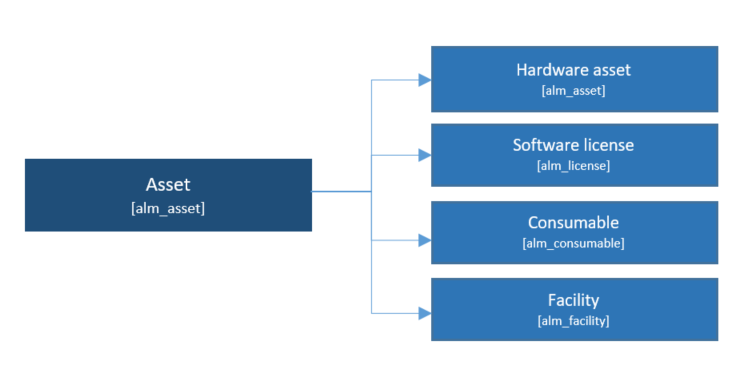
Asset [alm_asset] is the parent class and it extends four child classes namely Hardware asset, Software license, Consumable, and Facility. For our case study, we will use the Hardware asset class since personal computers can be classified as Hardware.
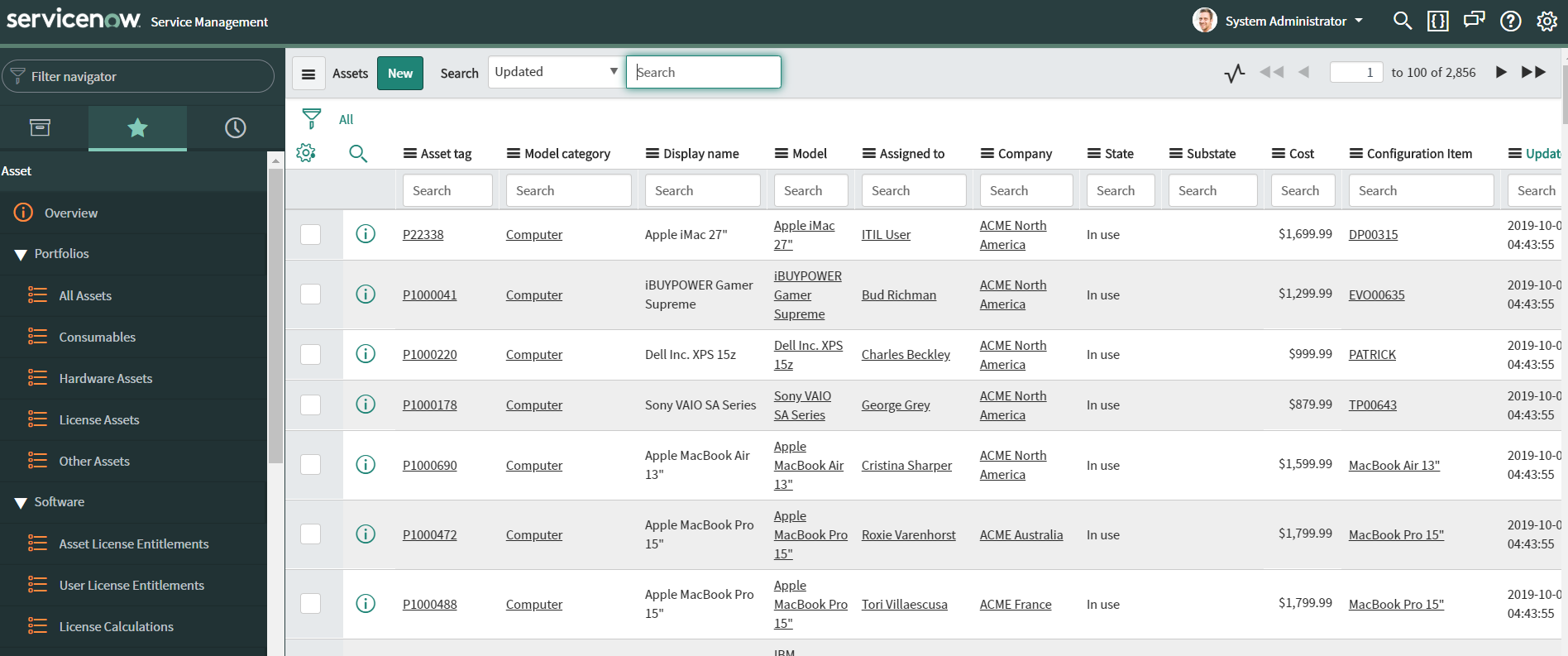
Asset table list view: [Search alm_asset.list in filter navigator]
2. Asset-CI mapping analysis:
Assets are mapped with configuration item by ‘model category’ as shown below.
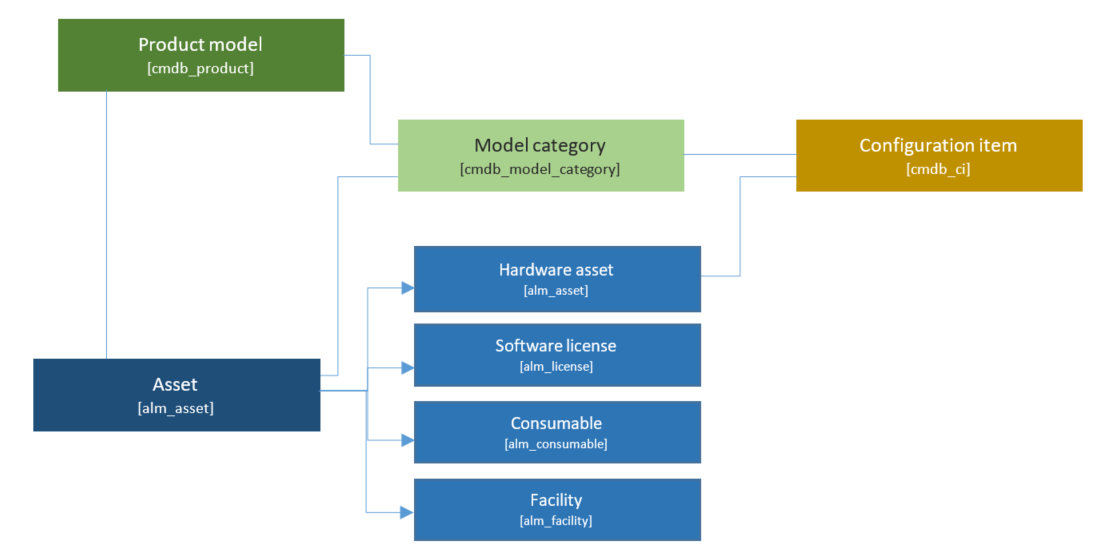
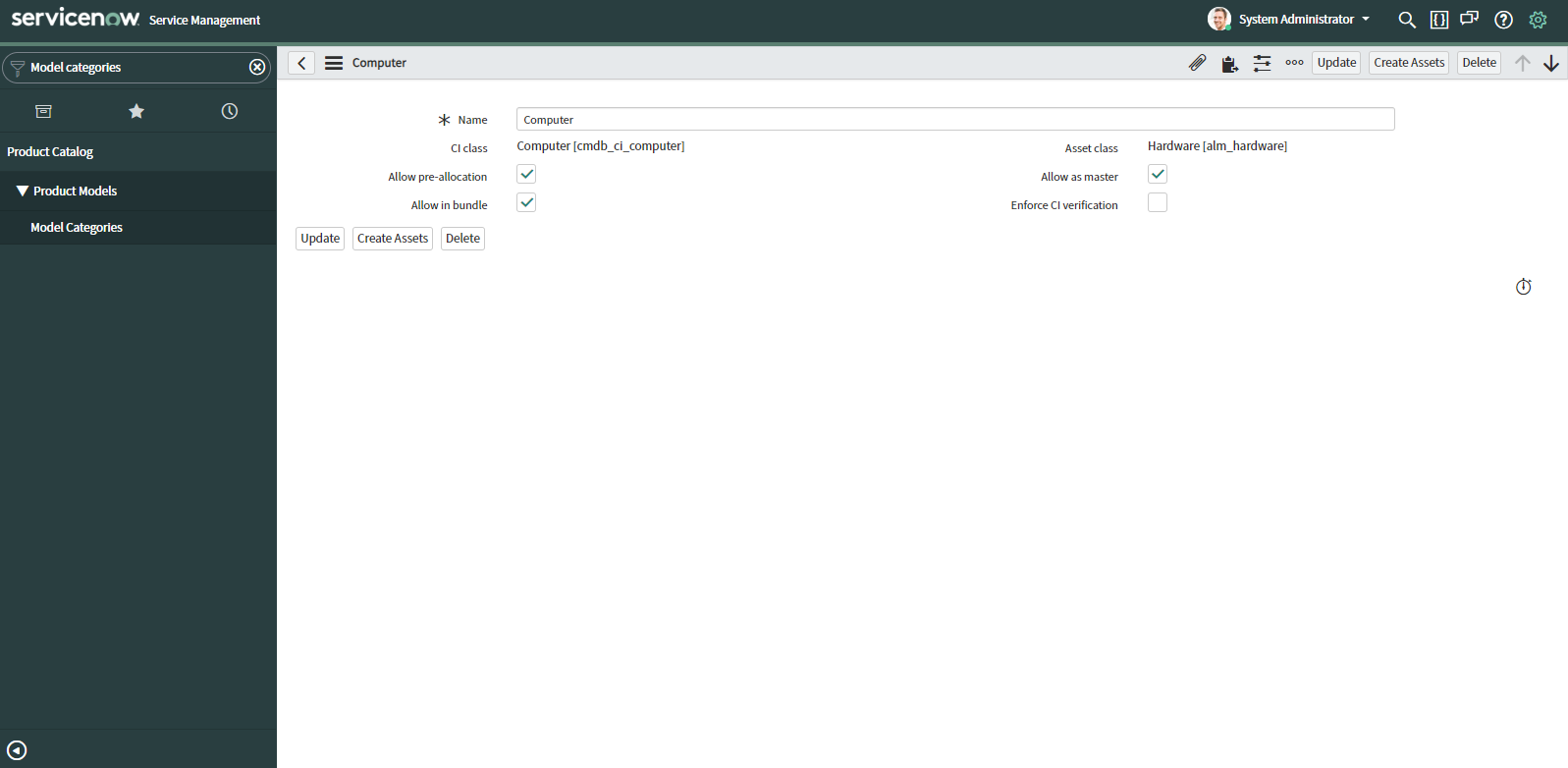
As you can see only Hardware assets are linked with configuration item. Hence, we need to decide the model category to which the personal computers should be added to. In our case, we will map the personal computers to the model category ‘Computer’ since it is mapped to the CI class Computer [cmdb_ci_computer].
Model category – Computer form view: [Search cmdb_model_category.list in the filter navigator and click on computer]
3. Governance analysis:
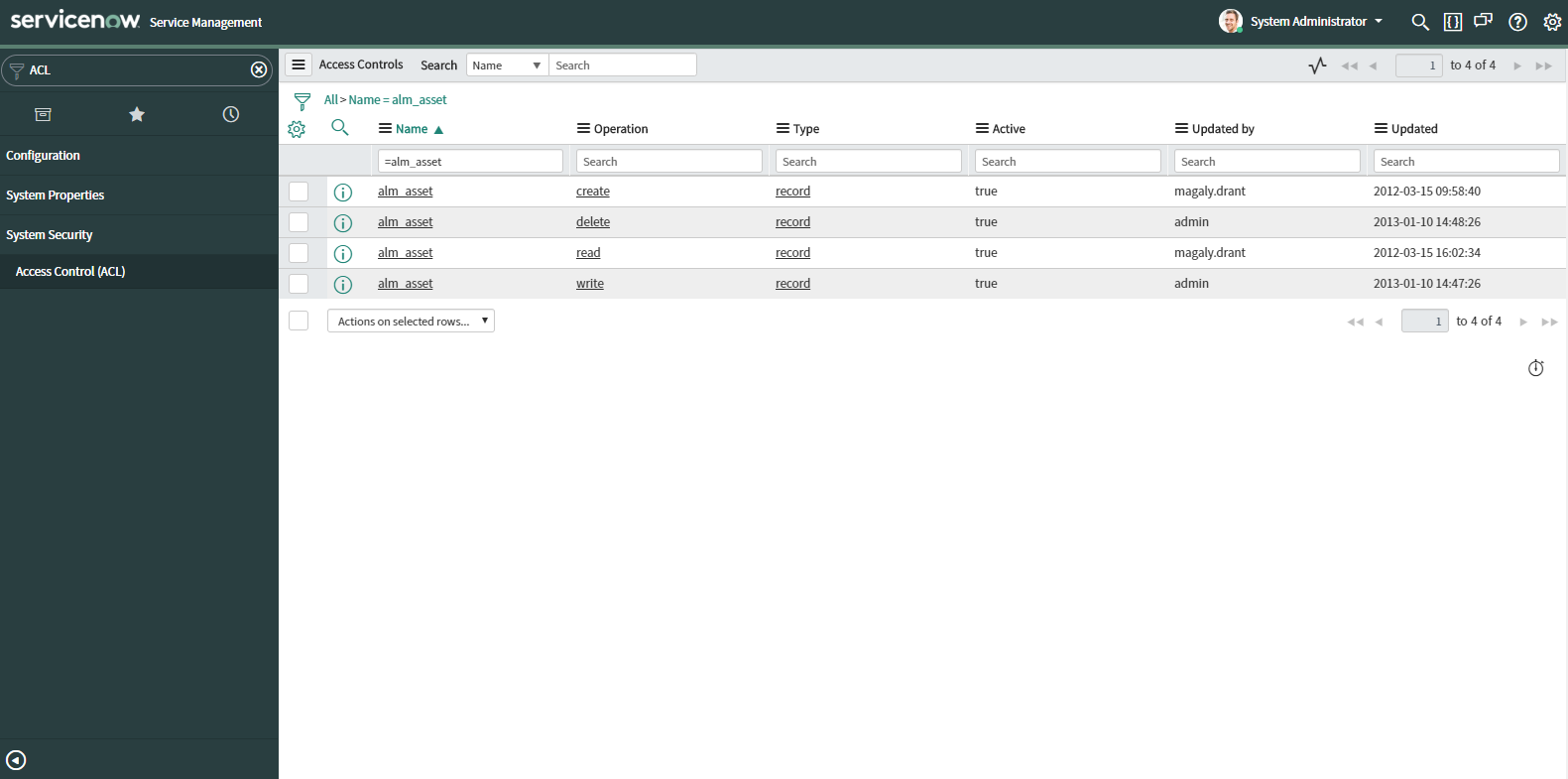
The only role that has access to create, update, and delete assets is the role ‘asset’. In our case, we will recommend to create a few user profiles to control who has the right to do what in assets module.
Access control list view for alm_asset:[Search for ACL in Filter navigator and then search alm_asset in the name column]
LAB: Add an asset and map it with CI
Introduction:
This is a technical road map on how to integrate PC data / attributes in ServiceNow. Here is the data on one computer that needs to be integrated into Assets table.

Steps to follow:
- Decide what attributes to go to which table. There are 3 fundamental tables for asset management:
- Model table [cmdb_product_model]
- Asset [alm_hardware]
- CI [cmdb_ci_computer]
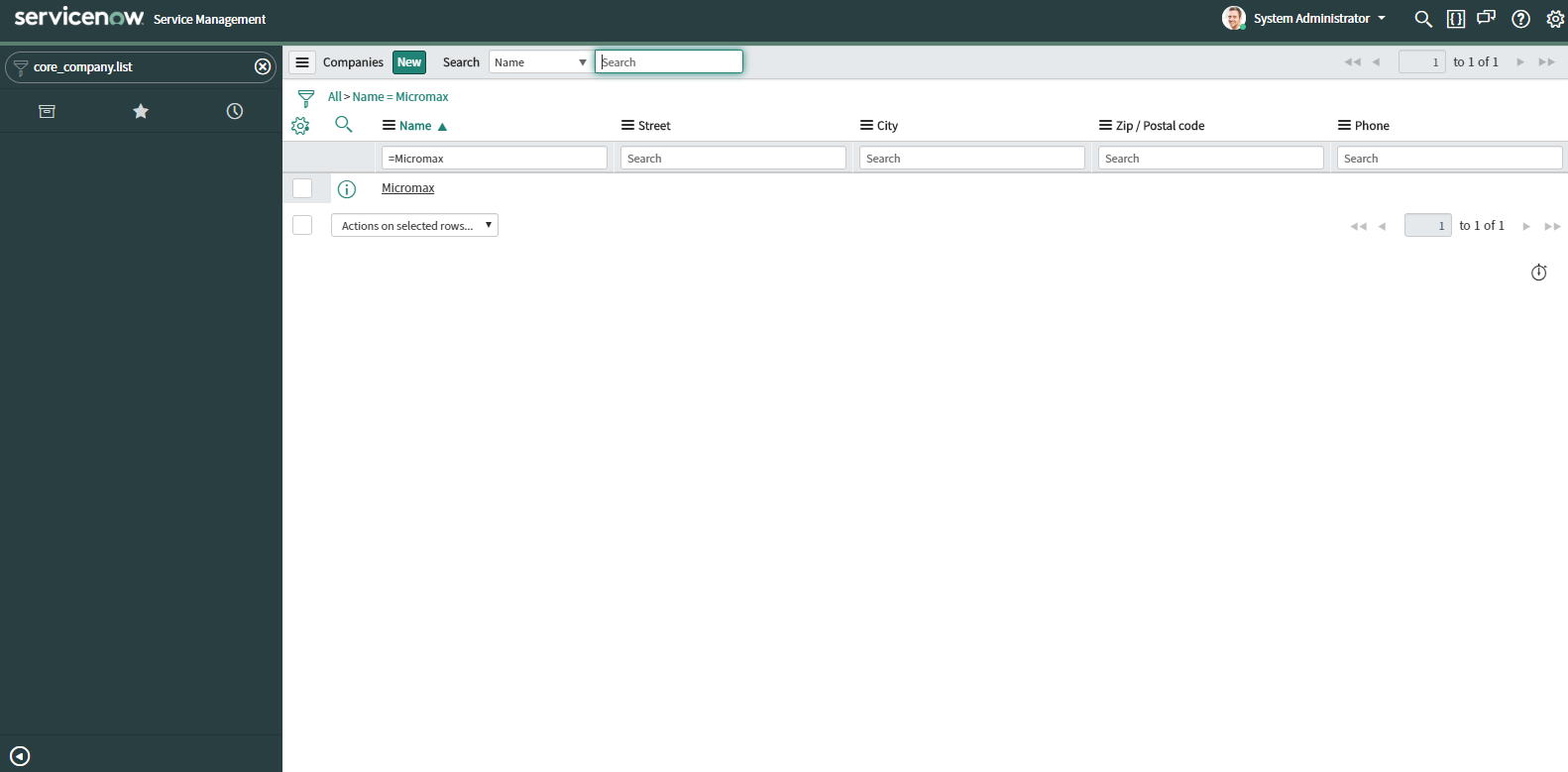
- Create the manufacturer in the core company table [core_company]
- Go to core_company.list
- Click new
- Enter relevant information
- Name: Micromax
- Manufacturer: true
- Click save
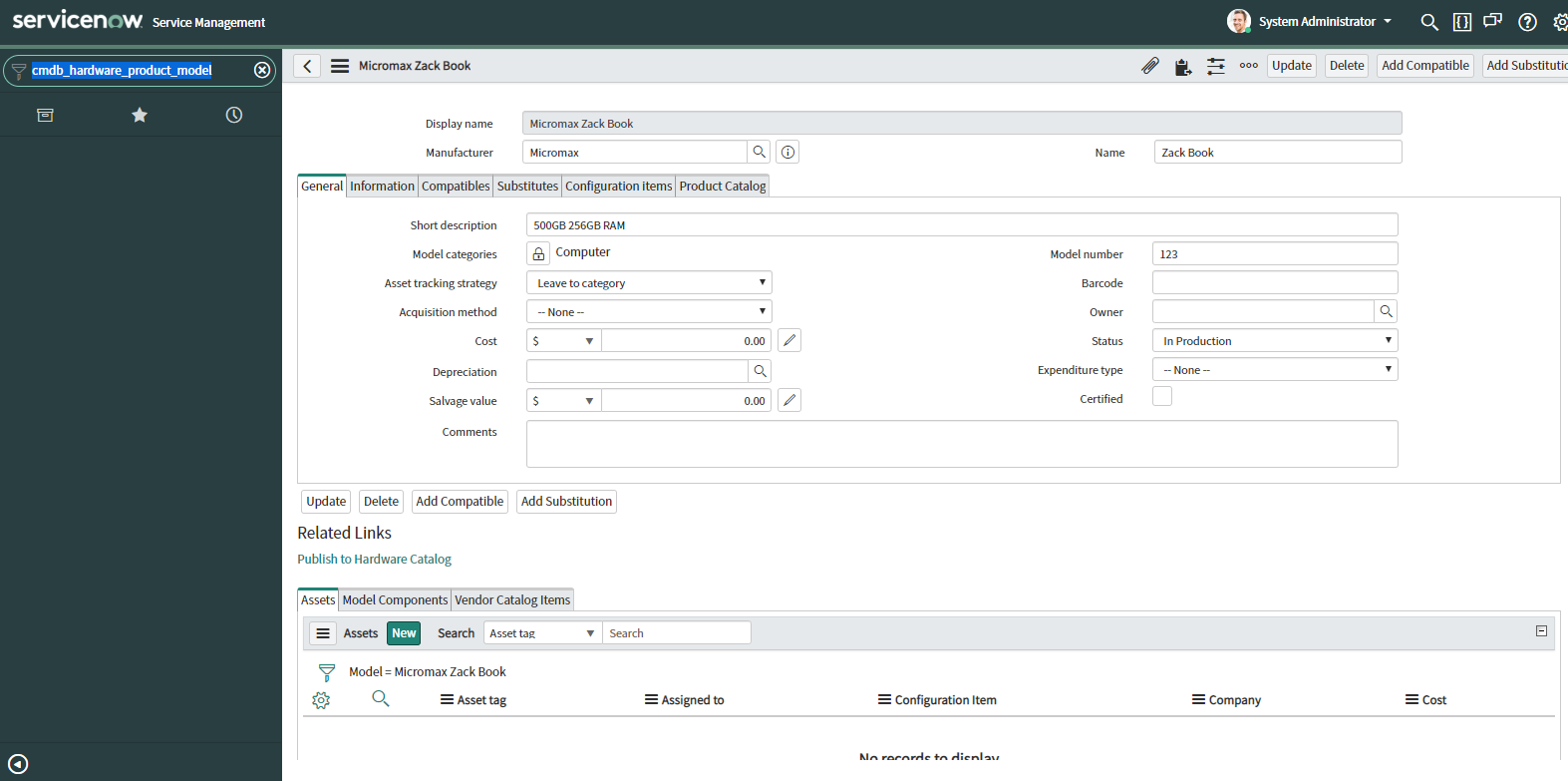
- Create model in Hardware product model table [cmdb_hardware_product_model]
- Go to cmdb_hardware_product_model.list
- Click new
- Enter relevant information
- Manufacturer: Micromax
- Name: Zac Book
- Model category: Computer
- Asset tracking strategy: Leave to category
- Click save
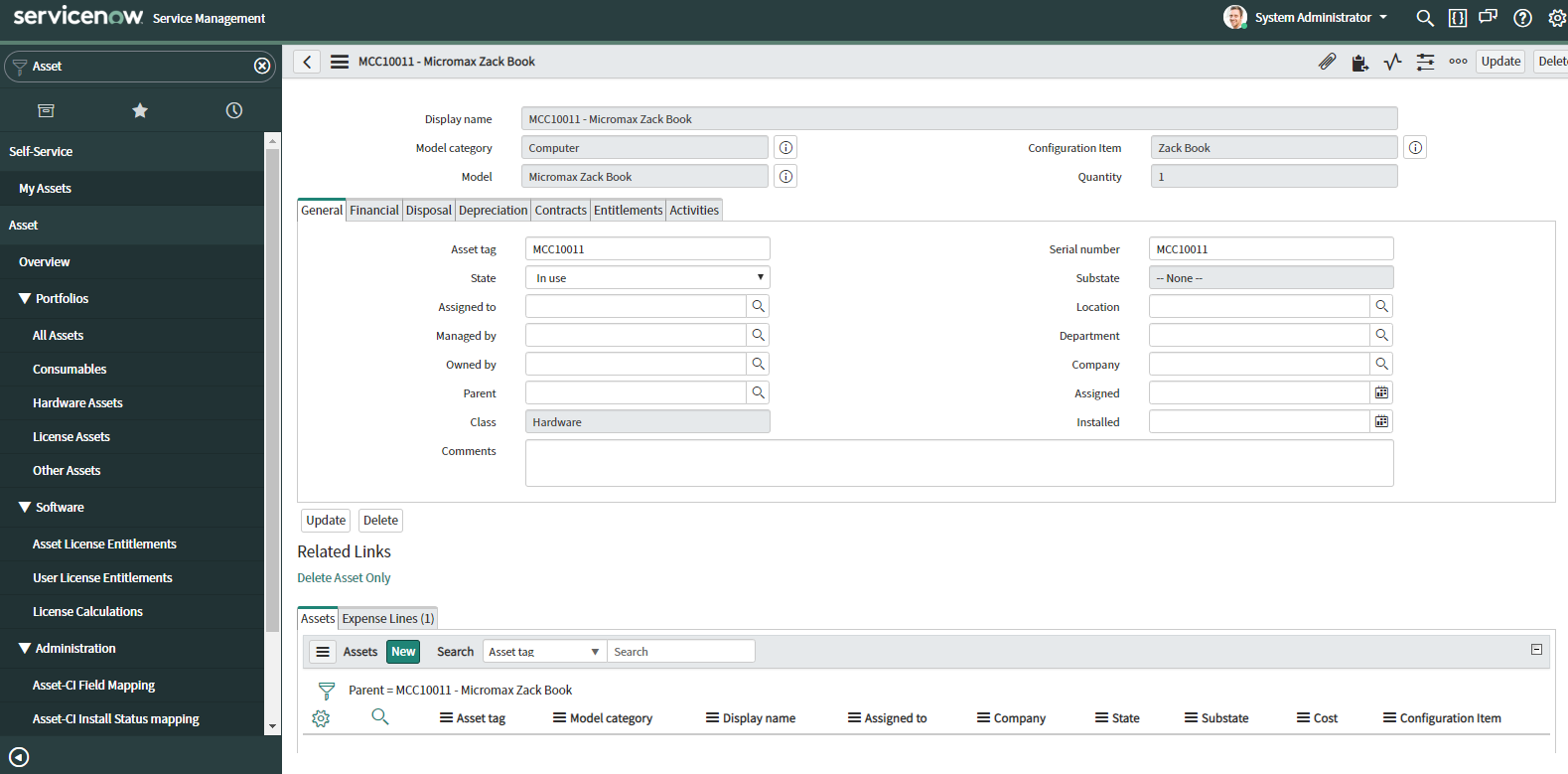
- Create hardware asset in Hardware Asset table [alm_hardware]
- Go to alm_hardware.list
- Click new
- Enter relevant information
- Model category: Computer
- Model: Micromax Zack Book
- Asset tag: MCC10011
- Serial number: MCC10011
- Click save
Observations:
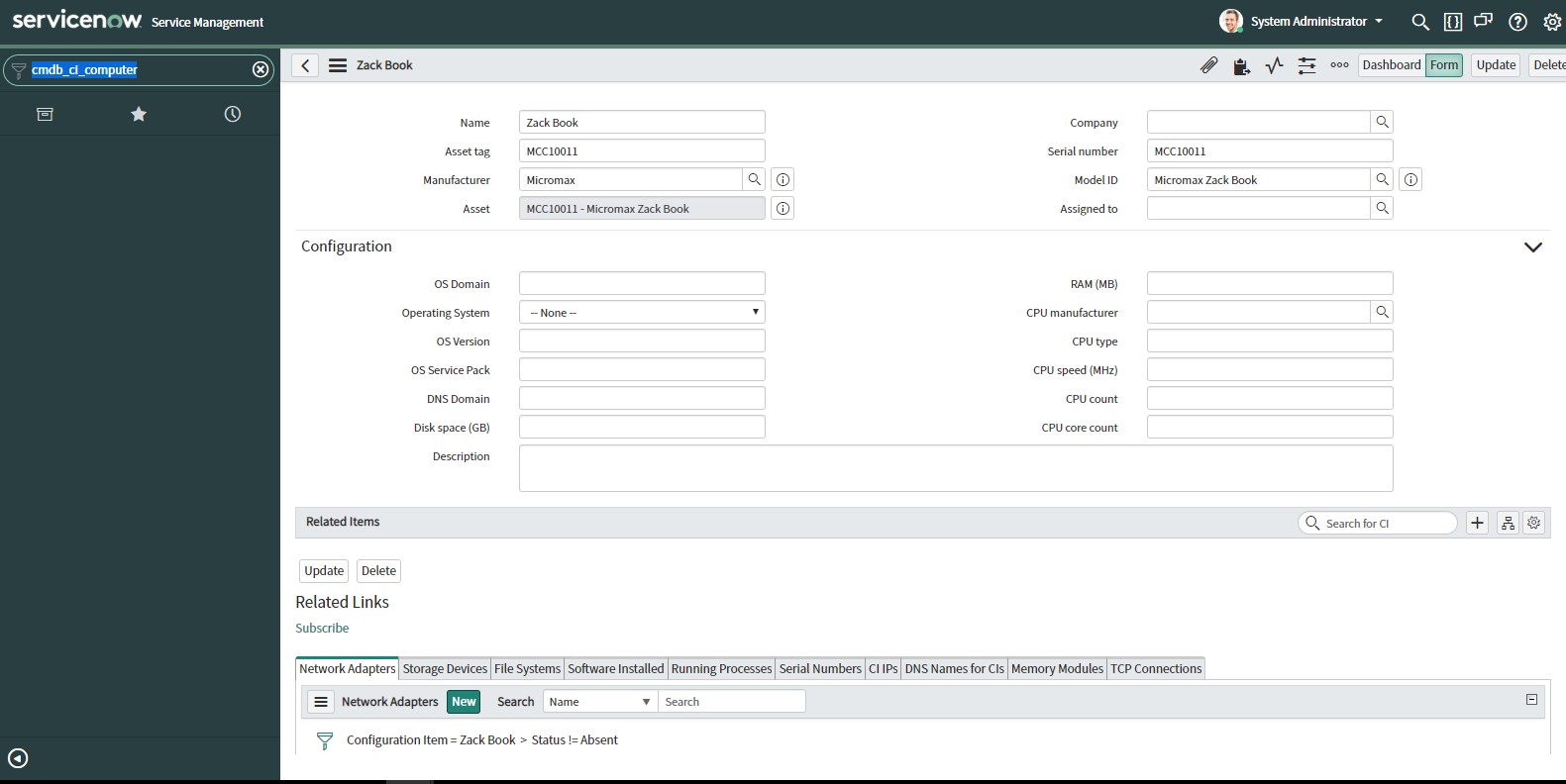
- Configuration item is automatically created
- Go to cmdb_ci_computer.list
- Search ‘Zackbook’
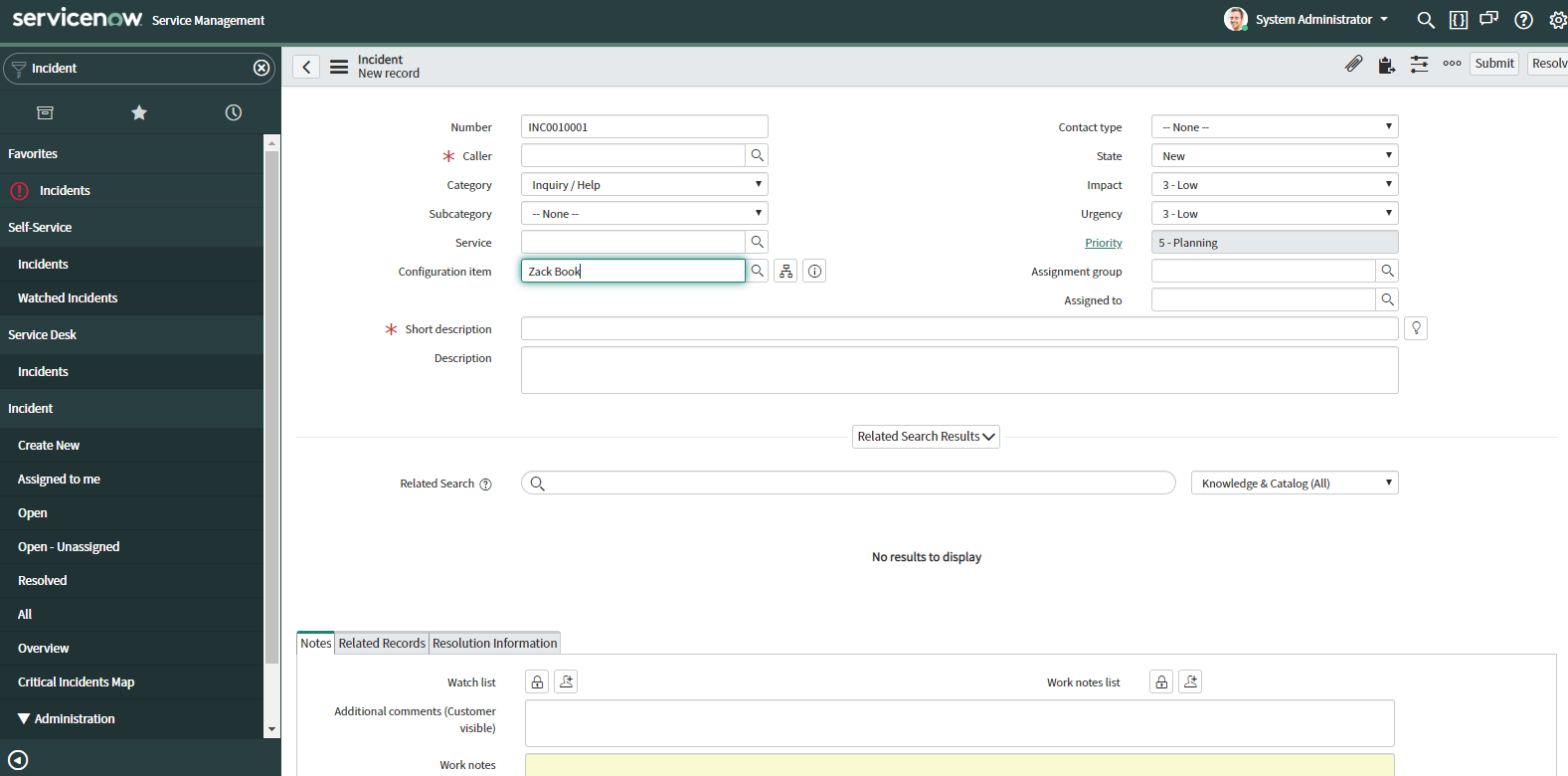
- Configuration item is visible in incident form
- Open an incident form
- Search for Zack book in configuration item
Next Steps:
As you now know the out of the box behavior of asset management, it is important to look into the next steps of large scale integration of assets. As ServiceNow consultants, we should now work closely with the client to
- Define how to integrate all assets to ServiceNow
- How can it be done by manual bulk imports?
- How can it be automated?
- Define the governance of assets
- How to assign rights to users?
- How can assets be maintained by different support groups?
- How can an asset admin control the foundation data of assets?
- Communicate and train IT users
- How can we prepare a user guide to explain the concepts to the users?
- How can we support the IT users?
Authored by
Deepu John JOHNSON,
ELO ServiceNow Consultant